

-

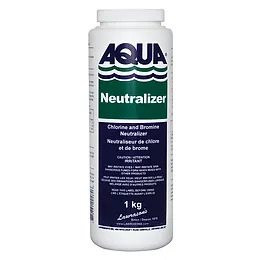
AQUA Neutralizer
Read more -
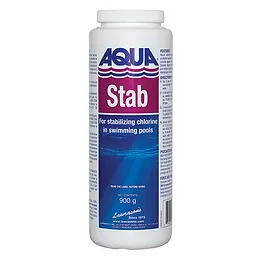
AQUA Stab
Read more -
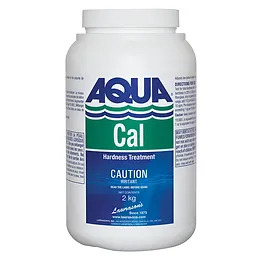
AQUA Cal
Read more -
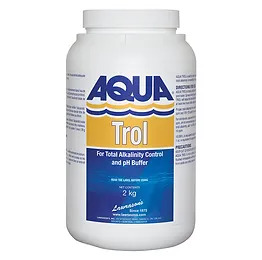
AQUA Trol
Read more -
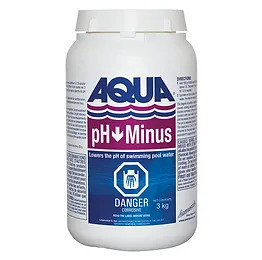
AQUA pH Minus
Read more -
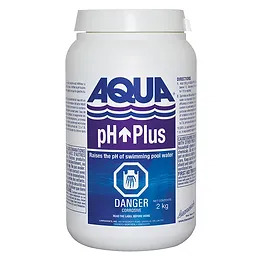
AQUA pH Plus
Read more -

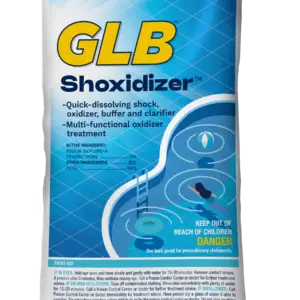
GLB Super Shock
Read more -
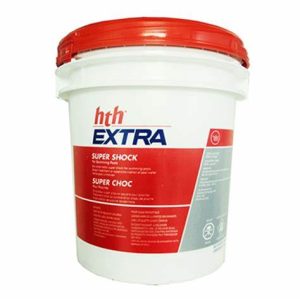
HTH Super Granular Shock
Read more -
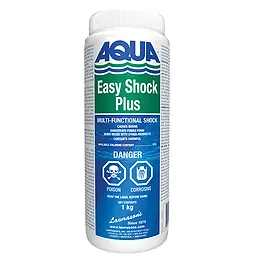
AQUA Easy Shock Plus
Read more -
GLB Multi-Purpose Pucks
Read more -
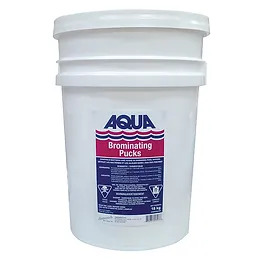
AQUA Brominating Pucks
Read more -
Aqua Mizer Pukcs
Read more -
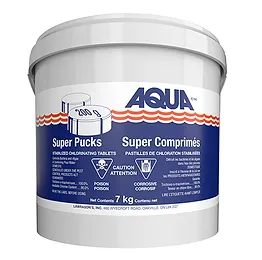
AQUA Super Pucks
Read more -
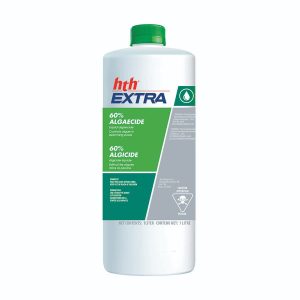
HTH Extra Algaecide 60%
Read more -
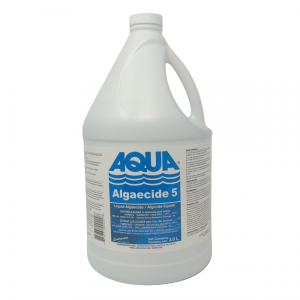
AQUA Liquid Algaecide 5% – 3.6L
Read more

The Secret to Perfect Pool Water Starts with the Right Chemical Balance
Maintaining crystal-clear, healthy pool water isn’t just about cleaning—it’s about achieving the perfect balance of pool chemicals. At Poolmaster, we understand how essential this balance is for keeping your pool safe, comfortable, and long-lasting.Pool chemicals like chlorine and bromine play a vital role in sanitizing your water, preventing harmful bacteria, and controlling algae growth. When your pool’s pH levels are properly balanced, you’ll spend less time on maintenance and more time enjoying your swim. You’ll also notice softer water on your skin, reduced eye irritation, and even longer-lasting swimwear.For many pool owners, especially beginners, managing chemicals can feel overwhelming. That’s why Poolmaster offers carefully curated chemical kits—designed to simplify pool care while ensuring your water stays clean, clear, and perfectly balanced.
Common Pool Problems & Simple Chemical Solutions
Algae Growth in Your Pool
If you notice green or brown patches forming, it’s a sign your pool needs better chemical control. Using an effective algaecide helps eliminate algae and prevents future growth.
Stains on Pool Surfaces
Stains can appear due to imbalanced chemicals or mineral buildup. A stain and scale treatment helps protect your pool liner and surfaces, keeping them spotless and damage-free.
After Heavy Pool Usage
After pool parties or frequent use, your water may need extra care. Shocking your pool (super chlorination) quickly restores cleanliness by eliminating bacteria and organic contaminants, while boosting chlorine effectiveness.